
Market News April 16, 2026
If you drive through Brentwood and feel like the homes never quite repeat themselves, you are not imagining it. This pocket of Los Angeles is known for a layered residential character, where early revival homes, low-slung ranch houses, mid-century modern designs, and newer custom builds all share the same broader landscape. If you are buying, selling, or simply trying to understand what gives Brentwood its visual identity, this guide will help you spot the main architectural styles and understand how they tend to live. Let’s dive in.
Brentwood is best understood as a mixed-style neighborhood, not a one-style enclave. According to the Brentwood-Pacific Palisades Community Plan, the area is primarily residential, with substantial open space and terrain that shape how homes sit on their lots and relate to the street.
That setting matters. The plan emphasizes neighborhood character, scenic views, scale, setbacks, and appearance, which helps explain why architecture in Brentwood often feels closely tied to landscaping, privacy, and lot layout rather than just façade design.
In places like Brentwood Park, originally platted in 1906, you see this clearly. SurveyLA describes curving streets, traffic circles, mature trees, and large single-family homes, along with later infill that often echoes earlier revival forms.
One of the first style families you are likely to notice in Brentwood is Traditional, sometimes called Period Revival. These homes often look formal, established, and historically referential, which fits well with Brentwood’s older streetscapes and mature landscaping.
SurveyLA identifies several Brentwood examples, including American Colonial Revival homes such as the Stedman House at 363 N Carmelina Avenue and the Murray House at 436 N Carmelina Avenue, Spanish Colonial Revival examples such as 472 N Barrington Avenue and the Marilyn Monroe Residence, and the Monterey Revival Kerr House at 428 N Carmelina Avenue. These examples appear in the Brentwood-Pacific Palisades Individual Resources survey.
If you are walking or driving through Brentwood, a few visual cues can help you quickly read these homes.
These identifying features are consistent with style descriptions summarized by the Los Angeles Conservancy’s historic context materials.
In day-to-day terms, these homes often feel more formal and garden-forward. The lots, setbacks, and mature tree canopy in older parts of Brentwood can make them feel settled and private, even when the architecture itself is more expressive.
For many buyers, the appeal is classic curb presence and a sense of continuity with Brentwood’s earlier neighborhood fabric. For sellers, these homes often benefit from presentation that highlights craftsmanship, landscaping, and the relationship between the house and the site.
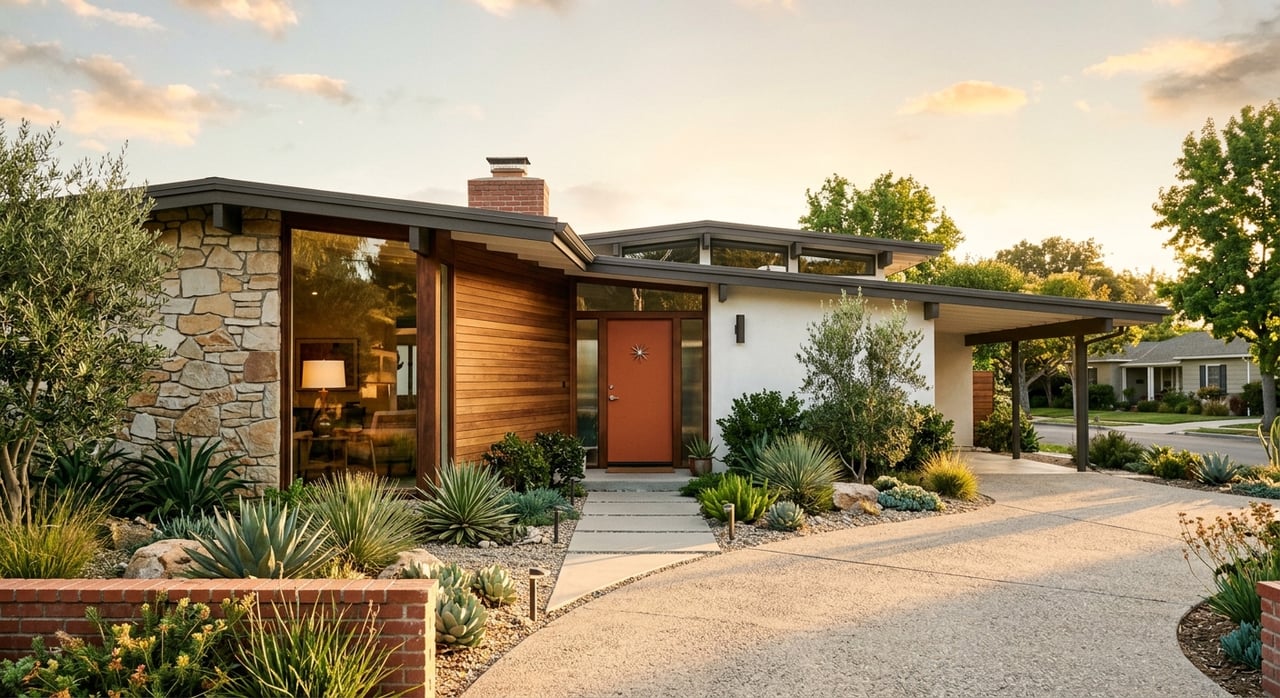
Brentwood also has an important Ranch layer, especially if you look beyond the most obviously historic façades. These homes tend to feel relaxed, horizontal, and closely connected to patios and rear-yard spaces.
A strong local example is the Hunt Residence, identified as a Traditional Ranch home with Regency Revival detailing. SurveyLA also notes Ranch and Traditional homes in Brentwood Park and elsewhere in the area.
Ranch homes are usually easier to identify once you know what to look for. Common cues include:
At the Hunt Residence, angled wings, a circular driveway, and direct indoor-outdoor connections show how this style often prioritizes livability over ornament.
Ranch homes often support easy movement between rooms and outdoor areas. If you value single-level living, a casual floor plan, and an everyday connection to the yard, this style tends to stand out for practical reasons as much as aesthetic ones.
In Brentwood, that easy layout can be especially appealing because so many lots are landscaped and private. Even when the architecture feels understated from the street, the real story may be in how the home opens to the back of the property.
For design-minded buyers, Brentwood’s mid-century modern homes are often the most memorable. The neighborhood has a notable design pedigree, with residences connected to architects such as Paul R. Williams, John Byers and Edla Muir, Craig Ellwood, Richard Neutra, William Krisel, Raymond Kappe, Harry Gesner, and Moore, Ruble and Yudell, as noted by the Los Angeles Conservancy.
SurveyLA identifies Brentwood examples including the Zimmerman House at 400 N Carmelina Avenue, the Hilyard M. Brown Residence at 1892 N Kimberly Lane, and other modern houses in the area, documented in the individual resources survey.
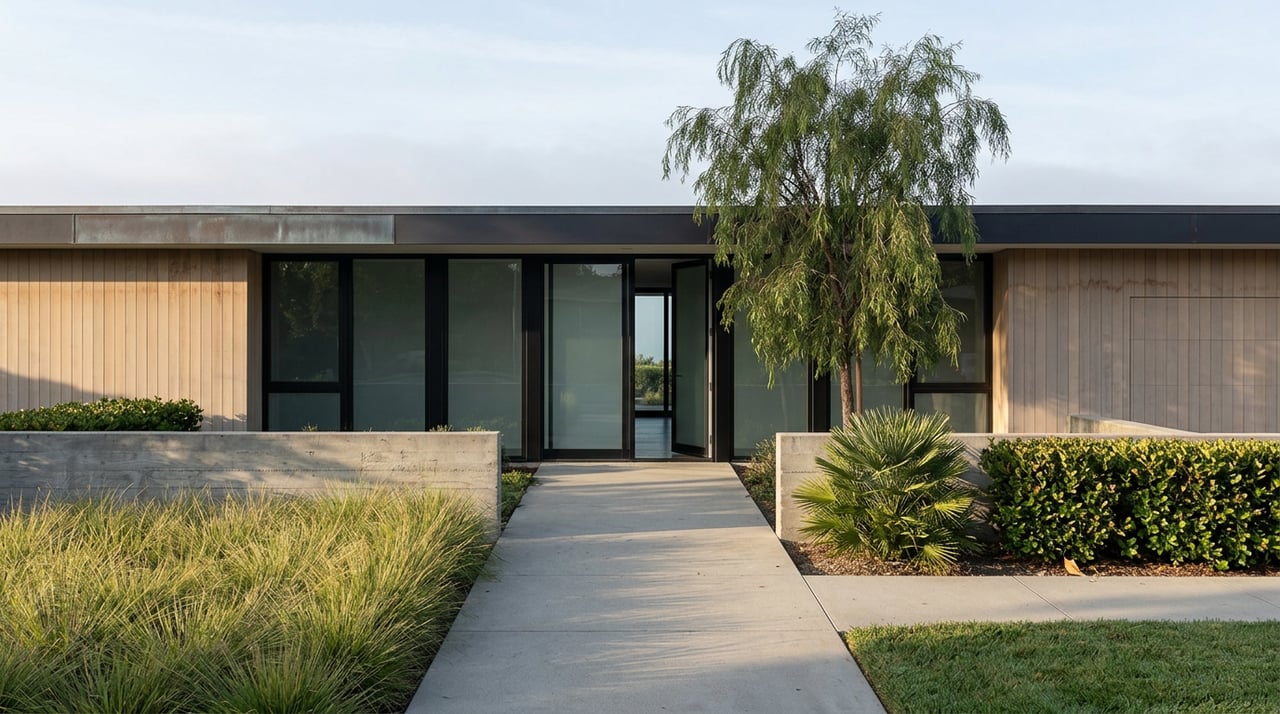
Mid-century modern homes usually look lighter and more geometric than revival homes. According to the Recent Past context statement, common features include:
In Brentwood, this often translates to homes that feel airy, view-conscious, and architecturally distinct. They may read as quieter from the street but more dramatic once you experience the glazing, orientation, and flow of the interior spaces.
This style tends to appeal to buyers who care about design, light, and spatial openness. It is often less about decorative detail and more about proportion, materials, and how the house interacts with the site.
For sellers, that means presentation matters. Clean sightlines, natural light, and visual storytelling can make a major difference when communicating the value of a mid-century or modern home.
Brentwood’s architecture did not stop evolving in the mid-20th century. SurveyLA notes that Brentwood Park includes later infill from the 1980s to the present, often at a larger scale and sometimes echoing earlier revival forms, as described in the districts survey.
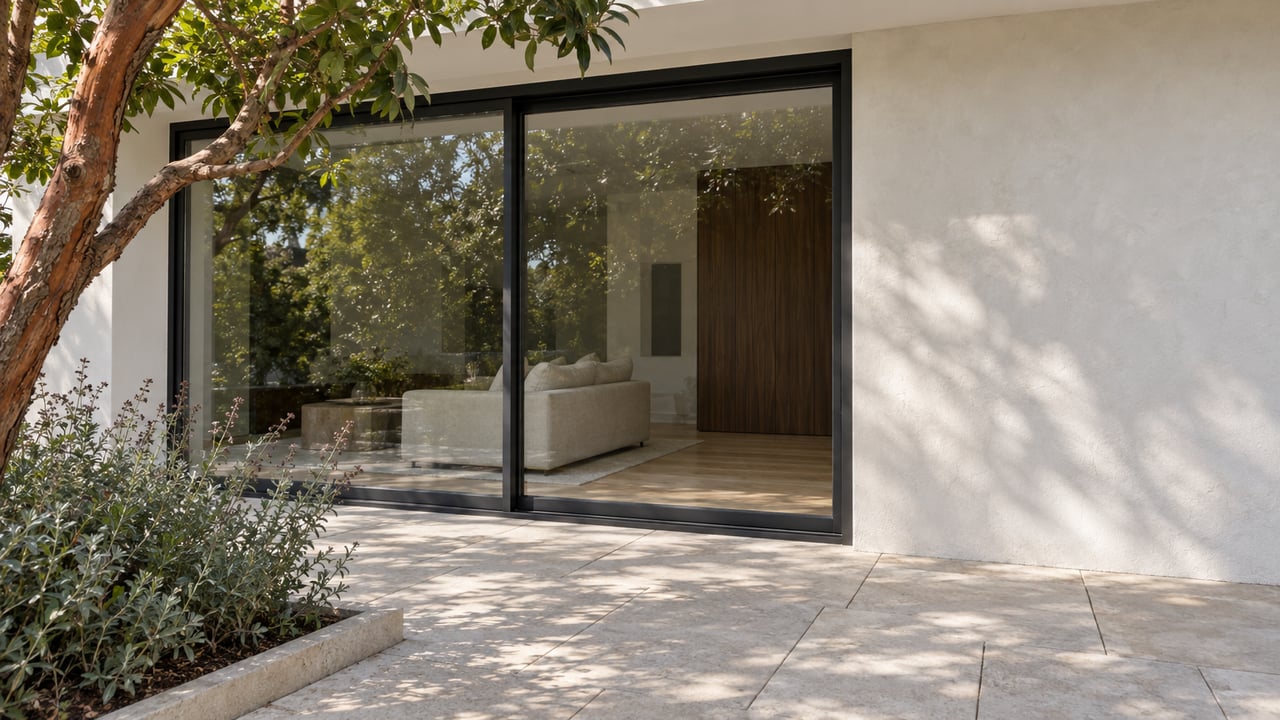
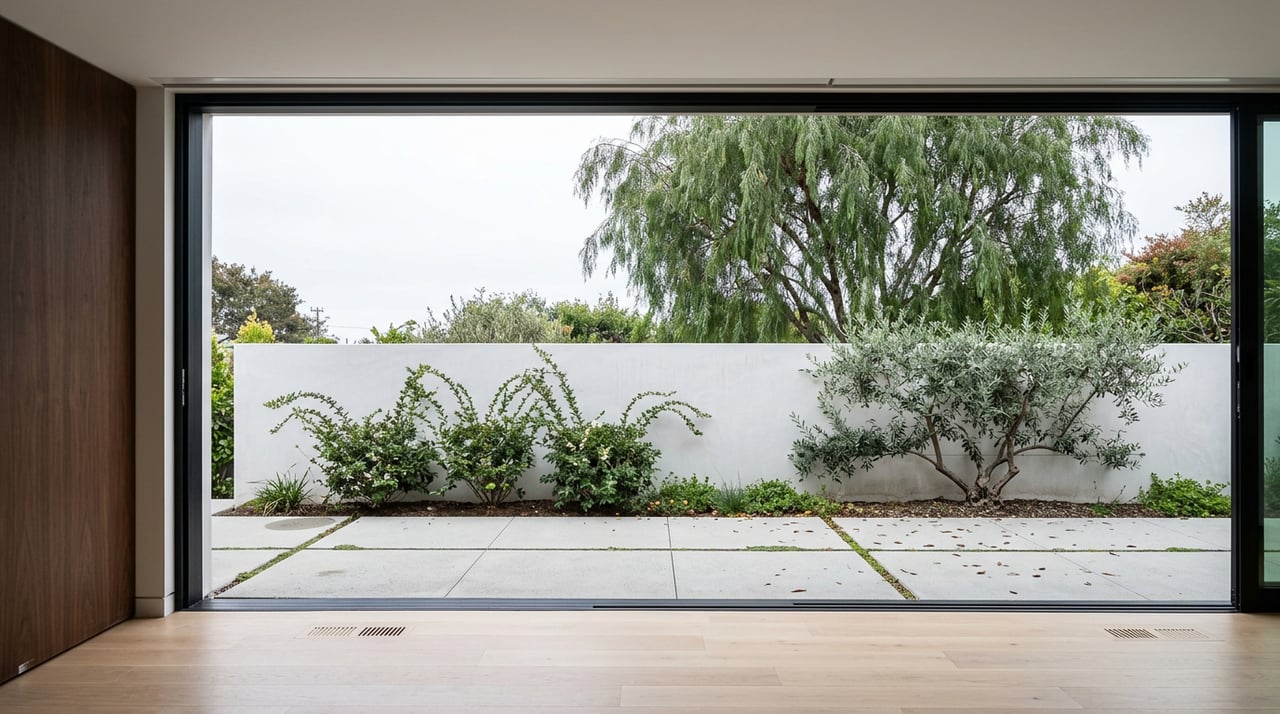
In practical terms, contemporary Brentwood homes are best understood as the neighborhood’s newer layer. They are not one single historic style, but they often share cleaner massing, larger glazing areas, and a more privacy-oriented feel than older homes.
You may notice contemporary and newer custom homes through features such as:
Because many Brentwood properties sit behind hedges, gates, privacy walls, and deep setbacks, these homes can feel intentionally understated from the curb. Brentwood often feels more discovered than displayed, and that is part of its appeal.
One of the most useful ways to understand Brentwood architecture is to look beyond the style label. In this neighborhood, the landscape often shapes the experience as much as the house itself.
The community plan’s focus on scale, setbacks, scenic character, and appearance helps explain why homes here often sit comfortably within their lots rather than pressing toward the street. That pattern affects everything from curb appeal to privacy to how outdoor spaces are used.
For you as a buyer, that means the street view may only tell part of the story. For you as a seller, it is a reminder that great marketing should capture not just the architecture, but also the setting, orientation, and indoor-outdoor flow.
If you are buying in Brentwood, knowing the main home styles can help you narrow your search more quickly. A revival home may offer a more formal presence, a ranch may prioritize ease and patio living, a mid-century home may emphasize glass and openness, and a newer custom home may deliver a more current layout and stronger privacy.
If you are selling, understanding your home’s architectural story can help shape smarter positioning. Buyers do not just respond to square footage. They respond to how a home looks, lives, and fits into Brentwood’s larger neighborhood fabric.
That is where local context matters. Brentwood is not defined by one architectural type, and that is exactly what makes it compelling. If you want guidance on how your home fits into the market, or help evaluating which Brentwood style best matches your goals, Team Pinckert brings a thoughtful, locally informed approach to the process.
Stay up to date on the latest real estate trends.
Before & After
Market News
Market News
Market News

Market News
Market News
Market News
Because a home isn’t just an investment—it’s a place to build a life. Markets fluctuate, but our commitment to service, loyalty, and excellence remains steady.