
Market News May 14, 2026
Life in Santa Monica is not just about living near the ocean. It is about how the beach, parks, markets, and neighborhood streets fit into your regular week. If you are thinking about moving here, or simply want to understand what daily life really feels like, it helps to look beyond the postcard version. This guide walks you through the local rhythm of Santa Monica, from morning beach loops to weekend market stops, so you can picture how the city may fit your lifestyle. Let’s dive in.
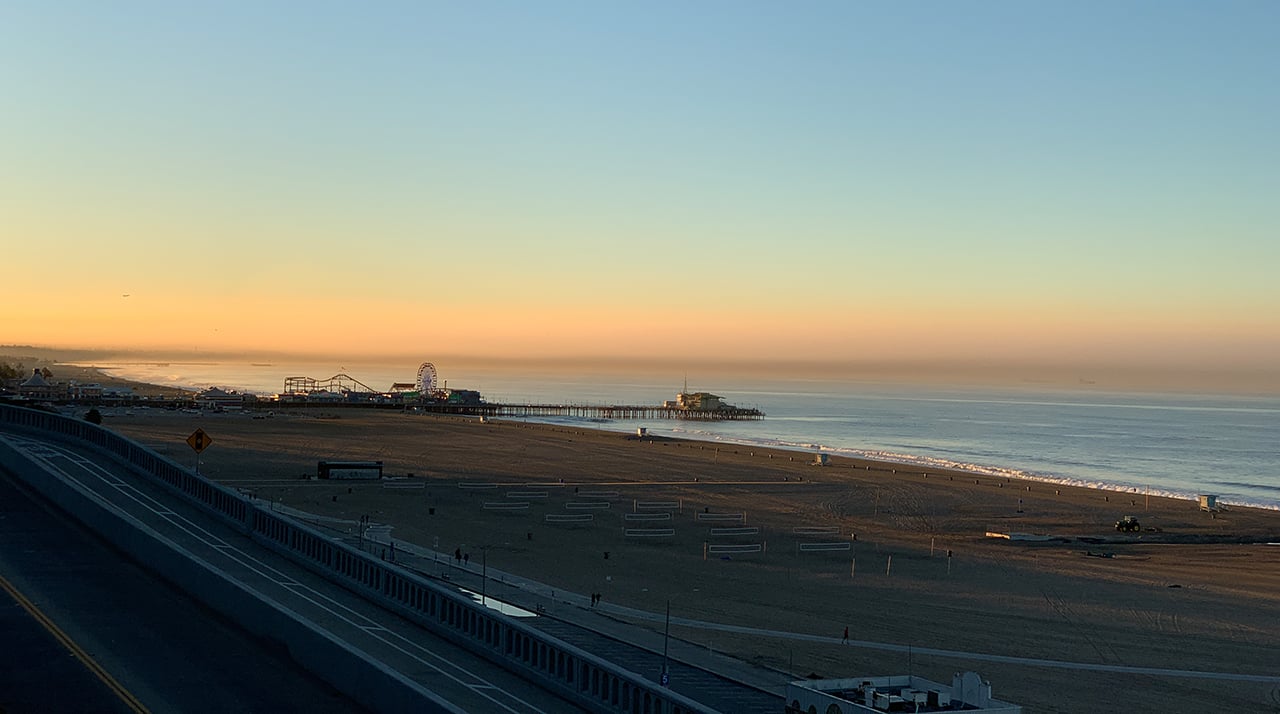
Santa Monica works because its public spaces connect to daily routines, not just special occasions. Santa Monica State Beach stretches for two miles and includes walking and biking paths, volleyball and basketball courts, picnic areas, shops, and the Pier. That mix makes the coastline feel usable on an ordinary Tuesday, not only on a holiday weekend.
The Santa Monica Pier, located at Ocean and Colorado, serves as one of the city’s most recognizable gathering points. It gives you an easy landmark for meeting friends, taking in the view, or adding a quick ocean stop to your day. In a city where outdoor space matters, that kind of access shapes how people move through the week.
The Annenberg Community Beach House adds another layer to coastal life. With a splash pad, playground, beach courts, free Wi-Fi, a café, and a summer pool, it expands what a beach day can look like. For many people, that means the coast becomes part of family time, remote work, or a casual afternoon break.
In Santa Monica, beach rituals often start early and stay simple. A morning walk on the sand, a bike ride along the path, or a quick stop at the bluff before work can all feel built into the day. The city’s layout supports that kind of repeatable rhythm.
The Marvin Braude Bike Trail is a major part of that experience. It runs for 22 miles and stays open year-round, giving you a long paved route for exercise, commuting, or an easy weekend ride. Santa Monica also reported 119 miles of bikeways by 2022, which helps explain why beach access often connects naturally with everyday transportation.
On parts of Ocean Front Walk north of the Pier, North Beach Trail improvements created separate areas for walking and biking. That may sound small, but it changes how comfortable the route feels. When public space is easier to use, it becomes easier to make it part of your routine.
The Expo Bike Path adds another useful connection, starting at 17th Street and Colorado Avenue. For residents who want alternatives to driving, these routes help tie neighborhoods back to the coast. Santa Monica’s own materials say more than half of residents walk and bike daily, which speaks to how central these habits are in the city.
If the beach is Santa Monica’s front yard, Palisades Park is its overlook. Set above the shoreline, the park is known for sweeping views of Santa Monica Bay and the mountains. It is one of the city’s clearest examples of how scenery and routine come together.
City planning materials describe the park as a place for sitting, strolling, and jogging. In practice, that makes it ideal for the kind of low-key habits that define local life. You can take a short morning walk, meet someone for a sunset loop, or pause on a bench without needing to turn the outing into an event.
The Rose Garden and Camera Obscura Art Lab give the park a slightly different rhythm from the beach below. There is a recurring pattern of art, views, and evening light here that feels distinctly Santa Monica. For many residents, it is part of the daily reset.
Santa Monica’s appeal is not limited to the shoreline. The city also has neighborhood corridors and parks that shape ordinary weekday life, especially when you are balancing work, errands, and downtime. These are often the places that make a home feel practical.
Ocean Park Boulevard is one of the strongest examples. The city describes it as home to four public schools, two libraries, three commercial districts, and Clover Park. Improvements to bike lanes and crossings were designed to make the corridor safer and more oriented to people walking and biking.
That matters because lifestyle is often built around short trips. You may be heading to a park, picking up groceries, stopping by the library, or meeting someone for coffee. A corridor that supports those patterns can make daily life feel smoother and more connected.
Virginia Avenue Park in Pico adds another important layer. This 9.5-acre community campus includes playgrounds, splash pads, basketball courts, a weekly farmers market, the Pico Branch Library, and community programs. It is the kind of place that supports after-school stops, weekend errands, and casual time outdoors in one location.
Some of Santa Monica’s best daily rituals happen in smaller, quieter public spaces. These parks may not get the same attention as the beach, but they often become the places you return to most.
Reed Park is a neighborhood park with a playground, tennis and basketball courts, the Miles Memorial Playhouse, and youth programming. It supports both active recreation and lighter cultural use. That variety gives it staying power as part of a regular weekly schedule.
Clover Park works more as an open-space anchor. With picnic areas and sports fields, it offers room to spread out and keep things simple. Ocean View Park adds lawn space, tennis and basketball courts, plus the Ashland Walk connection between Main Street and the beach.
Together, these parks show how Santa Monica layers its public spaces. You have the ocean, the bluffs, neighborhood greens, and commercial streets all working together. That is a big part of why the city feels so usable day to day.
Santa Monica’s local rhythm becomes especially clear when you look at its markets and shopping streets. The city organizes commercial life around four business improvement districts: Downtown, Main Street, Montana Avenue, and Pico Boulevard. Each one supports a slightly different kind of routine.
Montana Avenue stretches for ten blocks and includes more than 150 shops and storefronts. It often fits a quieter pattern of coffee runs, short retail walks, and everyday errands. If you like a lower-key street experience, this area is easy to picture as part of your week.
Main Street brings a different energy. The Sunday farmers market runs from 8:30 a.m. to 1:30 p.m. at 2640 Main St. According to the market page, it includes about 40 certified California farms, along with live entertainment and retail vendors.
Downtown has its own clear market rhythm. The Wednesday and Saturday farmers markets run from 8:00 a.m. to 1:00 p.m. on Arizona Avenue. Santa Monica also notes that all four farmers markets accept CalFresh EBT, which reflects the markets’ role as practical community resources as well as weekend attractions.
Third Street Promenade gives Santa Monica its strongest urban contrast to the beach. It is a pedestrian shopping, dining, and entertainment street in the center of Downtown, just moments from the shoreline. That closeness helps create one of the city’s most walkable daily patterns.
The city explicitly ties the Promenade to the Wednesday and Saturday farmers markets. As a result, Downtown often feels like the most event-forward and car-light part of Santa Monica. You can stack several stops into one outing, from a market visit to lunch to a walk toward the water.
For some buyers, that is the ideal version of local life. Instead of planning around driving and parking, you can build your day around walking between destinations. In Santa Monica, that shift can shape how connected the city feels.
Santa Monica is not one single lifestyle. Different parts of the city line up with different daily habits, and that is useful to understand if you are searching for the right fit.
The city describes North of Montana as its northernmost residential neighborhood, with generous lot sizes, wide streets, broad parkways, and mature street trees. If you are drawn to a quieter and more residential setting, this area may feel especially appealing. It also keeps you within reach of Montana Avenue and oceanfront public spaces.
Wilshire-Montana, often called Wilmont, is described by the city as walkable, with strong community resources and proximity to the beach and Palisades Park. It suits a routine built around walking to coffee, parks, and everyday stops. You still stay close to both Downtown and the shoreline.
Ocean Park stretches from the beach east to Lincoln Boulevard and from Dewey Street north to Pico Boulevard. It is flat, centered in part around Ocean Park Boulevard, and anchored by Main Street as its neighborhood commercial corridor. If you want a true beach-to-neighborhood lifestyle, this is one of the clearest matches.
Sunset Park is one of Santa Monica’s largest residential neighborhoods. The city describes it as having tree-lined streets, a mix of single-family and low-density multi-family housing, and commercial corridors along Pico, Ocean Park, and Lincoln. This area may appeal to buyers looking for a bit more space while keeping access to parks, services, and the coast.
Downtown places the Promenade, farmers markets, and the beach close together. That makes it the city’s most urban and walkable daily setup. If you want a social, active, and car-light rhythm, Downtown stands out.
When you look at Santa Monica through the lens of daily rituals, your home search gets more specific. Instead of asking only how close a property is to the beach, you can ask better questions. Where will you walk in the morning, run errands on a weekday, or spend a slow Sunday?
That kind of clarity helps you narrow in on the right part of the city. A home near Main Street may support a very different routine than one near Montana Avenue or Downtown. The best fit often comes down to the pace and pattern you want your week to have.
Santa Monica stands out because so many of its routines overlap. You can stack a beach walk, a coffee stop, a market visit, and a park loop into the same day. If that rhythm is what you are after, working with a team that understands the subtle differences between neighborhoods can make your search far more focused.
If you are considering a move in Santa Monica and want guidance rooted in local knowledge and a thoughtful understanding of how people actually live here, Team Pinckert can help you find the neighborhood and home that fit your routine.
Stay up to date on the latest real estate trends.
Before & After
Market News
Market News
Market News

Market News
Market News
Market News
Because a home isn’t just an investment—it’s a place to build a life. Markets fluctuate, but our commitment to service, loyalty, and excellence remains steady.